
AI-Enabled Mission Results

Agencies must adopt AI without creating new risk
Government programs are expected to use AI to do more with the teams they have, and to prove that each use is safe, fair, and documented. Recruiting and communications offices are small. Their data sits in systems that don't talk to each other, and most AI vendors arrive with a tool to sell instead of a result to deliver.
No program leader wants to be the one who put personal information into a public model or launched a use case that failed review. So promising work stalls in pilots, the backlog grows, and mission goals stay where they were. Programs need results from AI and a record that shows how those results were produced.
Army National Guard Recruiting Marketing Case Study: +565% Lead Growth

What changes when this works
Documentation your AI governance board can approve
Each use case starts with an inventory entry and an impact assessment, and operates under controls aligned to OMB M-25-21 and the NIST AI Risk Management Framework. The Chief AI Officer and governance board receive documentation they can review and approve on the record.
Ready prospects booked with recruiters
GuardPaths PRISM AI scores each interested prospect's readiness, keeps undecided prospects engaged with personalized follow-up, and books ready ones onto the right recruiter's calendar. Recruiters spend their time in conversations with prospects who want to talk.
Program intelligence from your own data
RC Strategies analyzes audience, market, and performance data in dedicated, network-isolated environments with no public internet access. Only the data each analysis needs is used, under the agency's explicit instruction, and any model built on agency data belongs to the agency.
Results measured in mission terms
AI is judged on what it changes for the mission: applicants, enlistments, enrollments, and response times. Reporting connects each applicant or enlistment to the campaign, follow-up, or booking that produced it, with a full audit trail of every human review.
The services that power this outcome
AI Marketing for Government
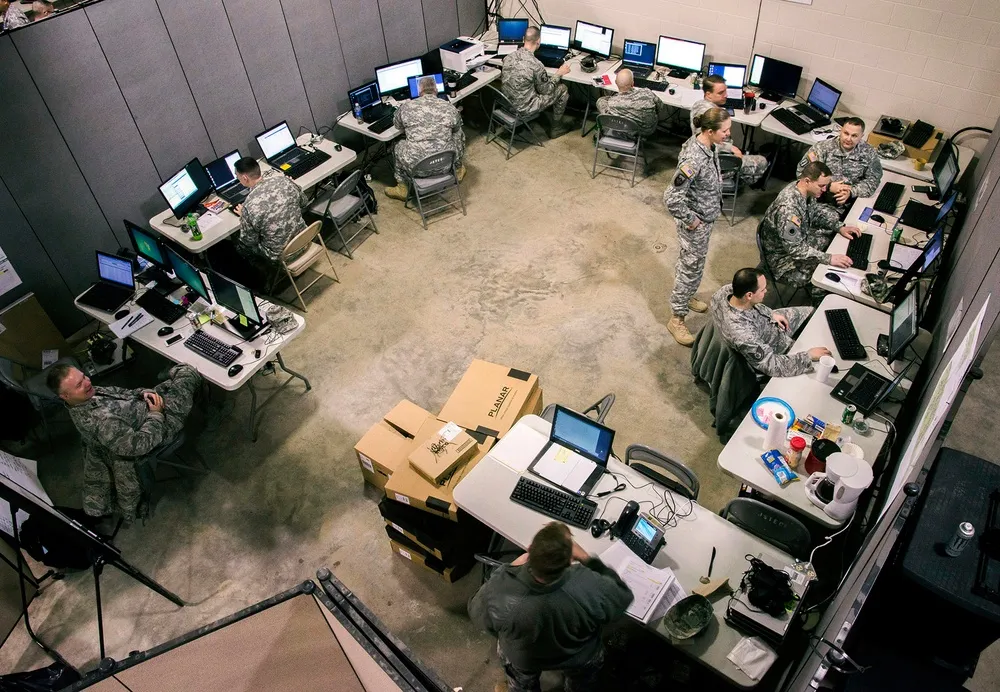
Governed AI marketing technology for government programs, with human-in-the-loop processes and agency-ready documentation.
Military & DoD Recruiting Marketing
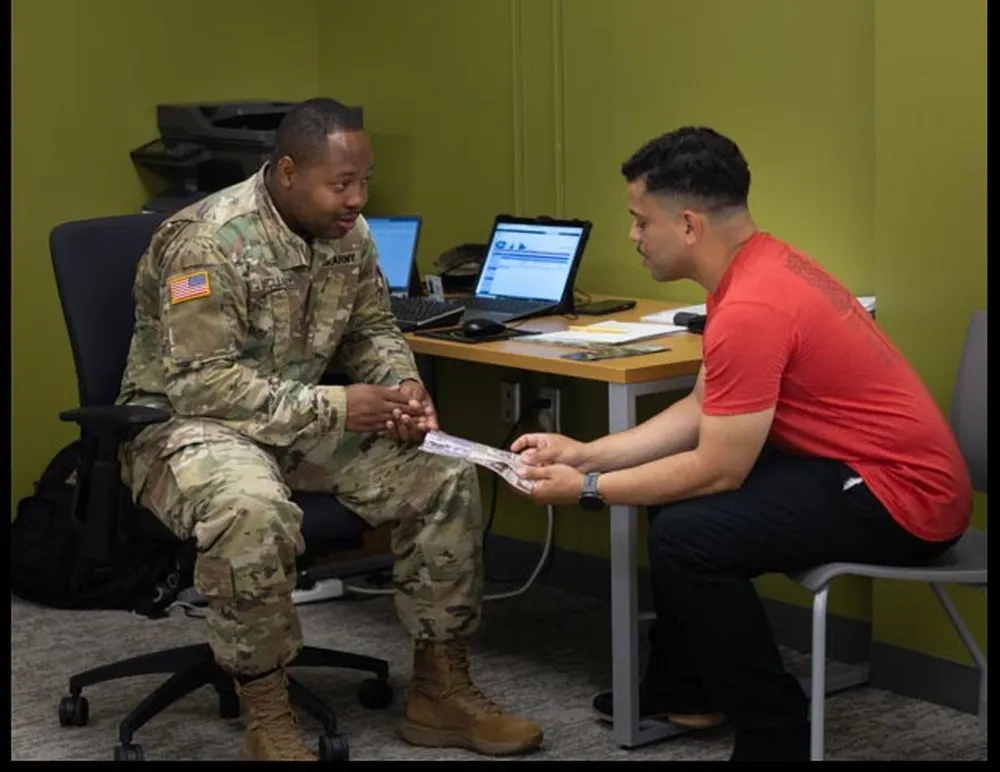
AI-enhanced recruiting marketing that gives recruiters prospects ready to talk.
Federal Strategic Communications & Research
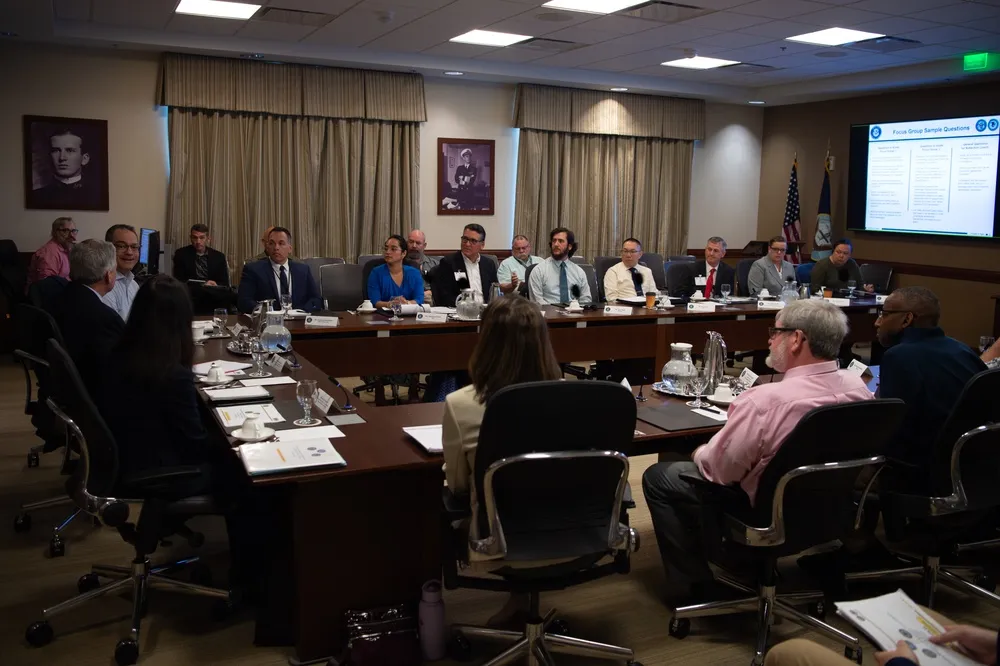
Audience research and message testing that give program leaders confidence before budget is committed.

National Guard Recruiting Advertising & Paid Media
Statewide recruiting advertising that RRB leadership can hold to a cost per qualified lead.
Trusted Marketing & AI MarTech Experts for Critical Missions
We deliver trusted, federally proven high performance marketing, strategic communications, and AI marketing technology with measurable ROI for the federal government and the Department of Defense/Department of War.Our systems give clarity and confidence to program leaders and senior leadership who need to see ROI and mission outcomes, not just activity.

What clients ask before we start
How can AI improve military recruiting?
AI improves military recruiting by sorting prospects by readiness, following up with undecided prospects for as long as the decision takes, and booking ready ones with recruiters automatically. RC Strategies does this with GuardPaths PRISM AI, which the Georgia Army National Guard uses today, alongside predictive targeting for recruiting media. RC Strategies delivers two state ARNG RRB programs: the Georgia Army National Guard and the Arkansas Army National Guard.
How does AI marketing comply with federal AI policy?
OMB memorandum M-25-21, issued in April 2025, directs agencies to accelerate AI use while keeping a use-case inventory and applying minimum risk practices to high-impact AI, including testing before deployment and impact assessments. RC Strategies documents each use case for the agency's inventory, completes the impact assessment with the program, and aligns its controls to the NIST AI Risk Management Framework, so the Chief AI Officer can approve the work on the record.
Where does our data go when you use AI?
Agency data stays in dedicated, network-isolated environments with no public internet access, provisioned and hardened for the program, access-controlled, and monitored continuously. RC Strategies uses only the data a task needs, under the agency's explicit instruction. It never uses agency data to train public models, and any model built on agency data, such as a lead score model, is the agency's property.
How does human oversight work with AI?
RC Strategies builds human-in-the-loop processes into every AI use case. Review is tiered by risk, using the two criteria in McKinsey's generative AI risk scorecard: how directly an output reaches the public and how much human oversight the use case already has. High-impact actions always require human approval, and automation escalates to a reviewer when it encounters uncertainty. Every review is logged, so the program can audit any decision.
How do you test AI for accuracy and bias?
RC Strategies tests each use case before launch and on a schedule after, against the risks named in the NIST AI Risk Management Framework and its generative AI profile, including inaccurate or fabricated outputs, harmful bias, and data privacy exposure. The results are documented, so the agency can see what was tested, what was found, and what changed.
What happens if an AI system makes a mistake?
RC Strategies runs a documented incident plan. Monitoring watches for unusual behavior, any automation can be paused or overridden at once, and the task falls back to the manual process while the cause is found and fixed. The RC Strategies program lead for the use case owns the incident and its escalation, and the agency receives a written account of what happened and what changed.
More outcomes worth a look
Bring governed AI to your mission