
Military Recruiting Geofencing Advertising
how we serve your mission
Location strategy
Fence locations come from the recruiting market analysis: college campuses, career and job fairs, sporting and community events, and the neighborhoods around recruiting offices. RC Strategies sizes each fence to the audience it is meant to reach and replaces locations that don't produce leads.
Event targeting
Fences go up around events where the Guard has a presence, such as fairs, games, and career days. Attendees keep seeing follow-up ads after they leave, so a conversation at a booth has a way to become a lead.
Audience layering
Location is combined with age and interest targeting where platform rules allow, so spend goes to likely prospects and not to everyone who passed through a fence.
Creative matched to place
Ads speak to where the prospect is. An ad near a campus can lead with tuition assistance, and an ad near a recruiting office can name the office and invite a visit.
Attribution and reporting
Reporting ties each fence to the leads and cost per lead it produced. Where recruiting offices are set up as conversion zones, it also counts office visits by people who saw the ads.

Service delivery that high-trust organizations rely on
Pick locations
Build fences and creative
Launch
Replace what underperforms
Report
What this capability drives
Army National Guard Recruiting Marketing Case Study: +565% Lead Growth


Trusted Marketing & AI MarTech Experts for Critical Missions
We deliver trusted, federally proven high performance marketing, strategic communications, and AI marketing technology with measurable ROI for the federal government and the Department of Defense/Department of War.Our systems give clarity and confidence to program leaders and senior leadership who need to see ROI and mission outcomes, not just activity.

What clients ask before we start
What is geofencing in military recruiting?
Geofencing is mobile advertising that shows ads to phones inside a boundary drawn around a place, such as a college campus, a career fair, or the area around a recruiting office, and can keep reaching those phones after they leave. RC Strategies uses it to put recruiting ads in front of prospects where they spend time.
Does geofencing work for National Guard recruiting?
It works when locations are chosen from data and each fence is judged on the leads it produces. It wastes money when fences are drawn around busy places and judged on impressions. RC Strategies manages the Georgia Army National Guard's statewide paid media budget, including geofencing. RC Strategies delivers two state ARNG RRB programs: the Georgia Army National Guard and the Arkansas Army National Guard.
Where should a recruiting program draw geofences?
Start with the recruiting market analysis: where the target audience lives, where each recruiting area is short of mission, and where prospects gather. That usually points to college campuses, career and job fairs, community and sporting events, and the areas around recruiting offices. RC Strategies adds and drops locations as lead results come in.
How is geofencing measured?
RC Strategies reports leads and cost per lead for each fence, so the RRB can see which locations are worth the money. Where recruiting offices are set up as conversion zones, the report also counts visits to the office by people who saw the ads. Impressions and clicks are reported, but they don't decide which fences stay.
Does geofencing collect personal information?
No names or contact details come from a fence. Geofencing platforms use anonymous device location to decide where ads appear. A prospect becomes a lead only when they choose to fill out a form or call, and RC Strategies handles that information under the program's privacy rules.
How does geofencing fit with the rest of a recruiting media plan?
Geofencing is one channel in the state's media plan, next to streaming video, social, and search. It shares the same cost-per-qualified-lead target, and budget moves between channels based on results. See how RC Strategies runs National Guard recruiting growth.
Other ways we can help
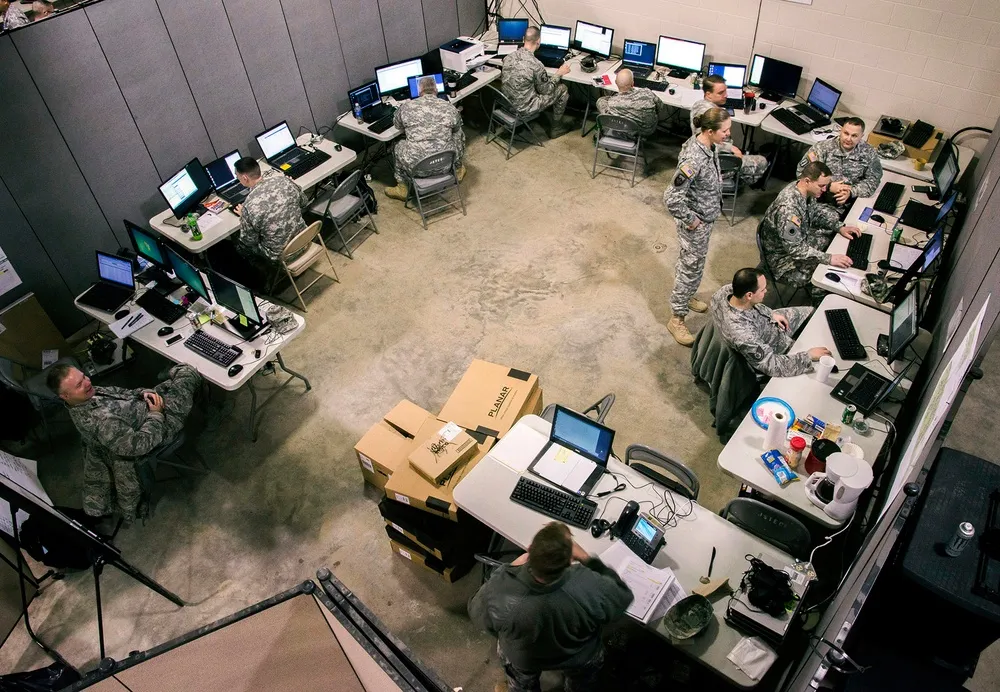
AI Marketing for Government
Governed AI marketing technology for government programs, with human-in-the-loop processes and agency-ready documentation.
Federal Marketing Support Services
An experienced marketing team on a government program in weeks, under one program manager.

Government Public Outreach & Engagement
Public outreach that reaches the people a program is for through the voices they trust, measured in applicants.
Military Retention Marketing & Surveys
Career checkpoint surveys and retention campaigns that show command which Soldiers need a conversation and why.
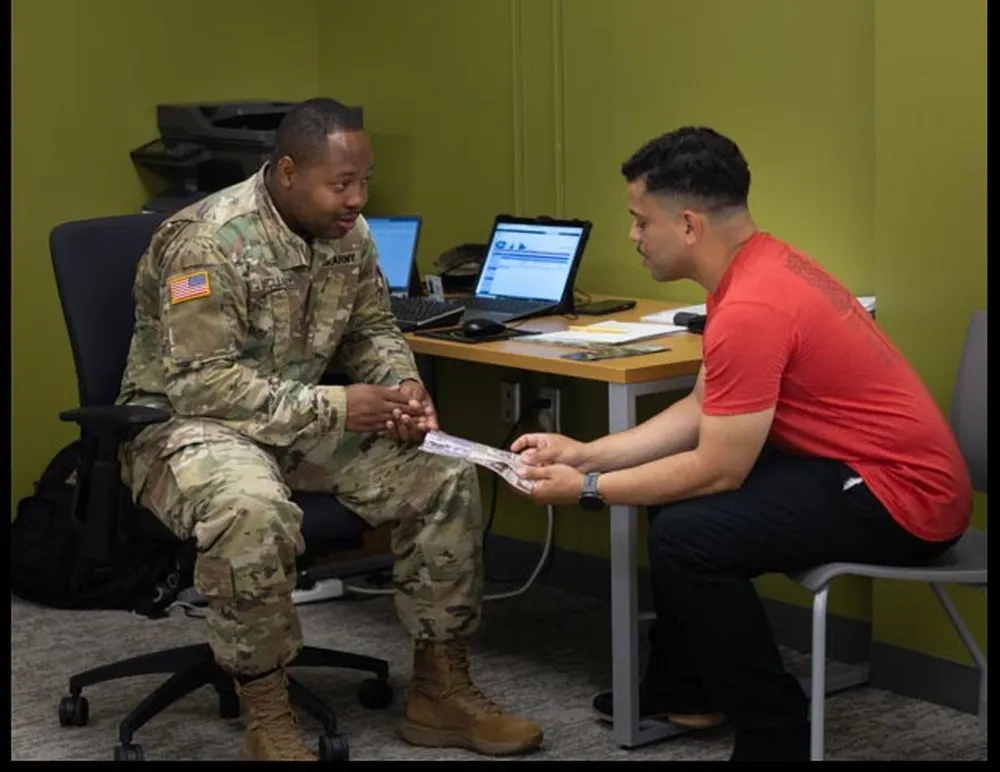
Military & DoD Recruiting Marketing
AI-enhanced recruiting marketing that gives recruiters prospects ready to talk.
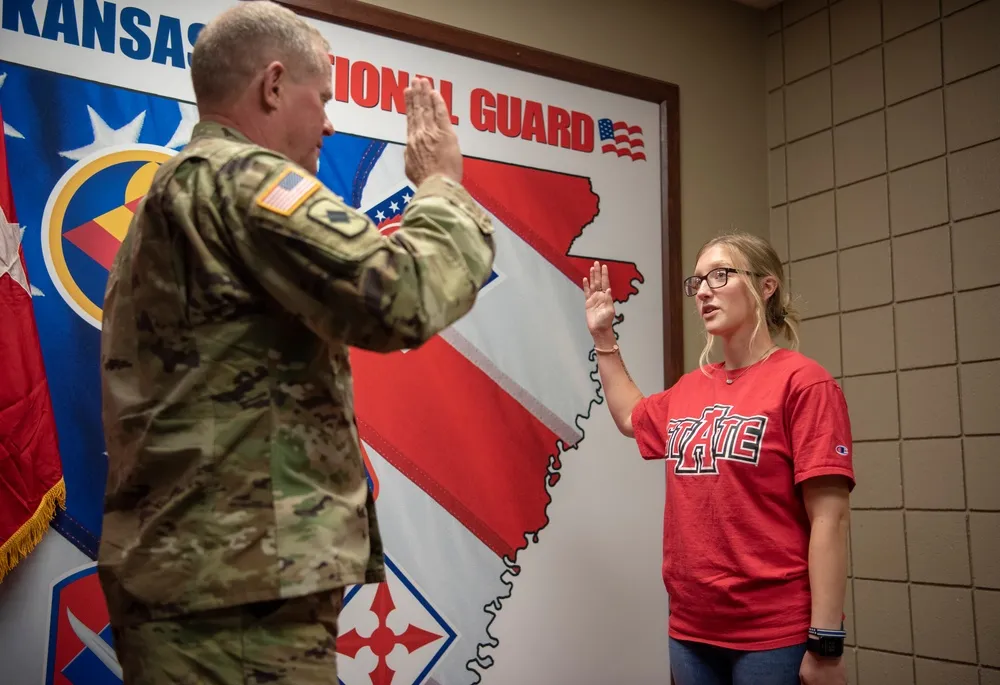
National Guard JEEP Program Management
Referral incentive programs run end to end, from sign-up to shipping, without the paper chase.
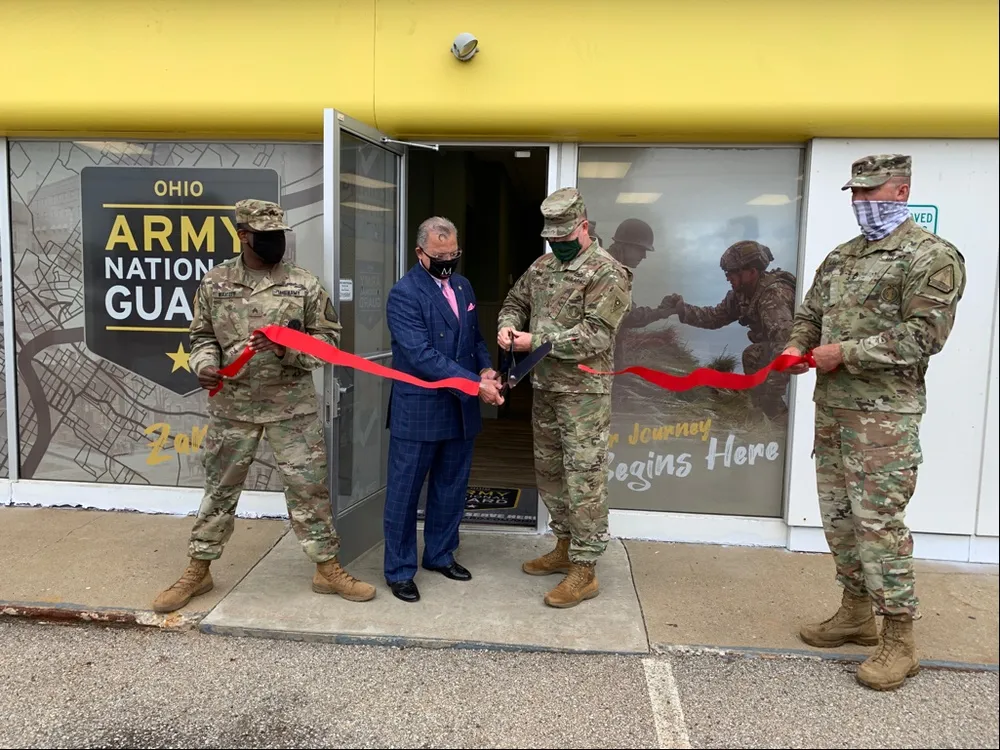
Military Recruiting Office Location Management
Recruiting office listings kept accurate, visible, and generating leads across Google and map apps.

National Guard Recruiting Advertising & Paid Media
Statewide recruiting advertising that RRB leadership can hold to a cost per qualified lead.
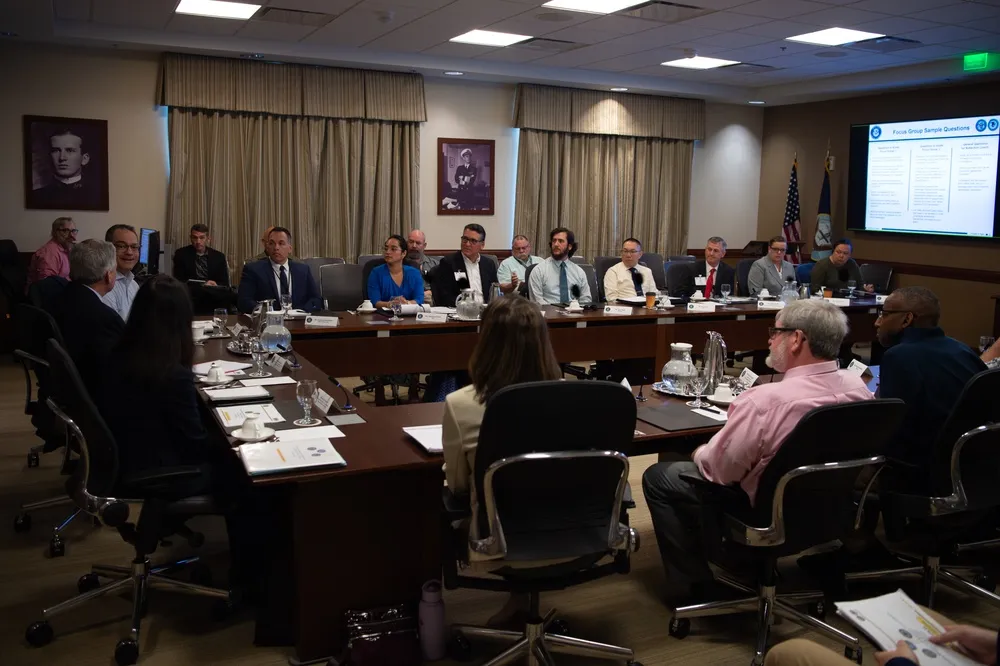
Federal Strategic Communications & Research
Audience research and message testing that give program leaders confidence before budget is committed.

Go-to-Market Services
A data-driven plan to launch and scale offerings with measurable growth and minimized risk.

Agency Services
Full-service marketing support that unifies strategy, execution, and measurement for mission-driven organizations.

Consulting Services
Strategic engagements that turn data and research into aligned execution and measurable performance.
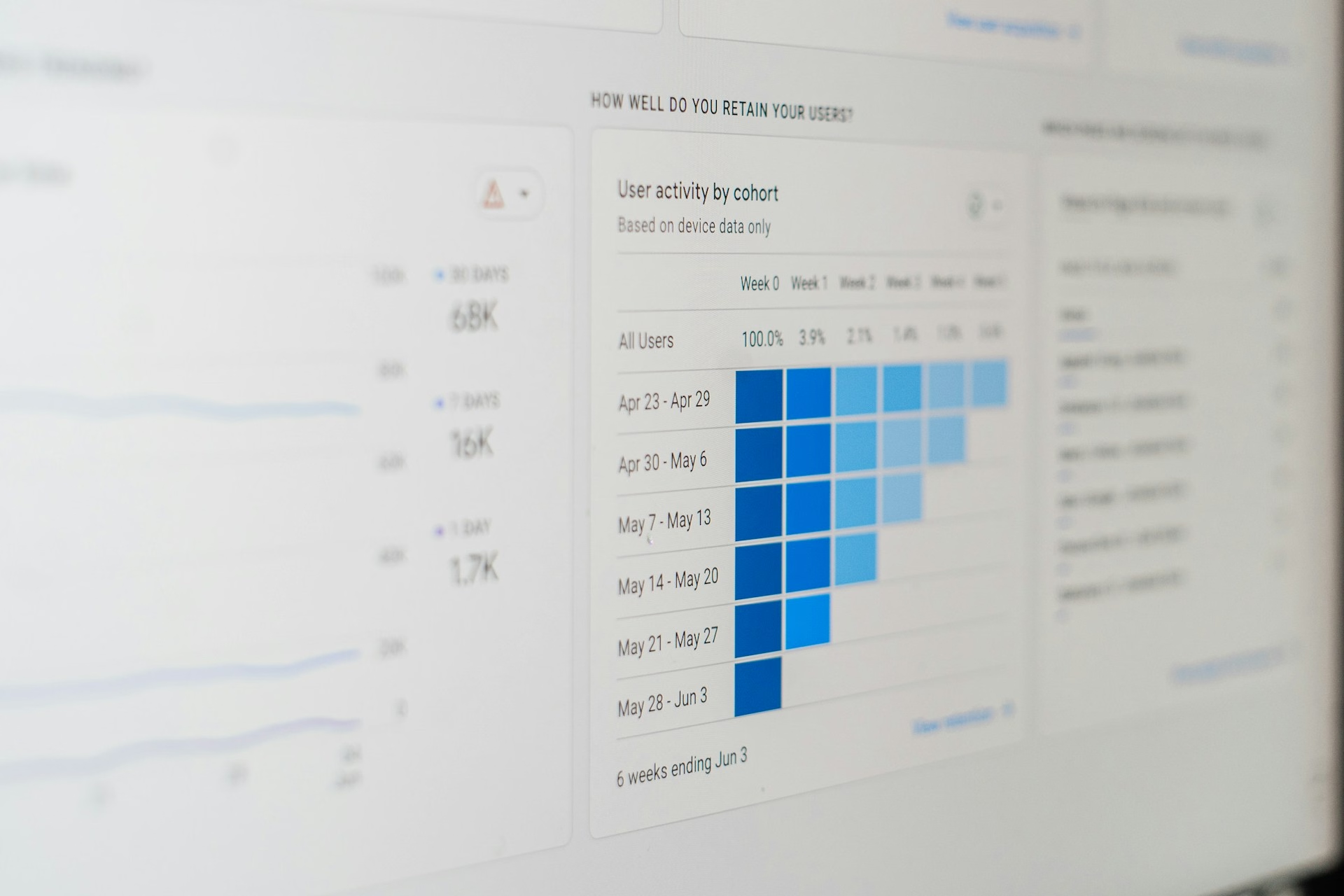
Federal Advertising & Media Buying
Federal advertising accountable to applicants, enrollments, or registrations, reported so a COR can verify it.


Plan geofencing around your state's recruiting market