
Public Program Enrollment Growth

Program enrollment lags because eligible people never act
A federal program can be well built, funded, and ready to help, and still reach only a fraction of the people it was built for. The people who qualify often don't know it exists, don't believe it applies to them, or don't trust a message that comes from Washington. Many who do hear about it stop at an application that looks confusing or like too much work.
Program offices feel that gap from both sides. Leadership wants more enrollments, oversight wants proof the outreach money worked, and the campaign reports that come back count impressions and events instead of applications. Broad awareness spends heavily to reach people who were never eligible, while the people who are eligible hear nothing that moves them to apply.
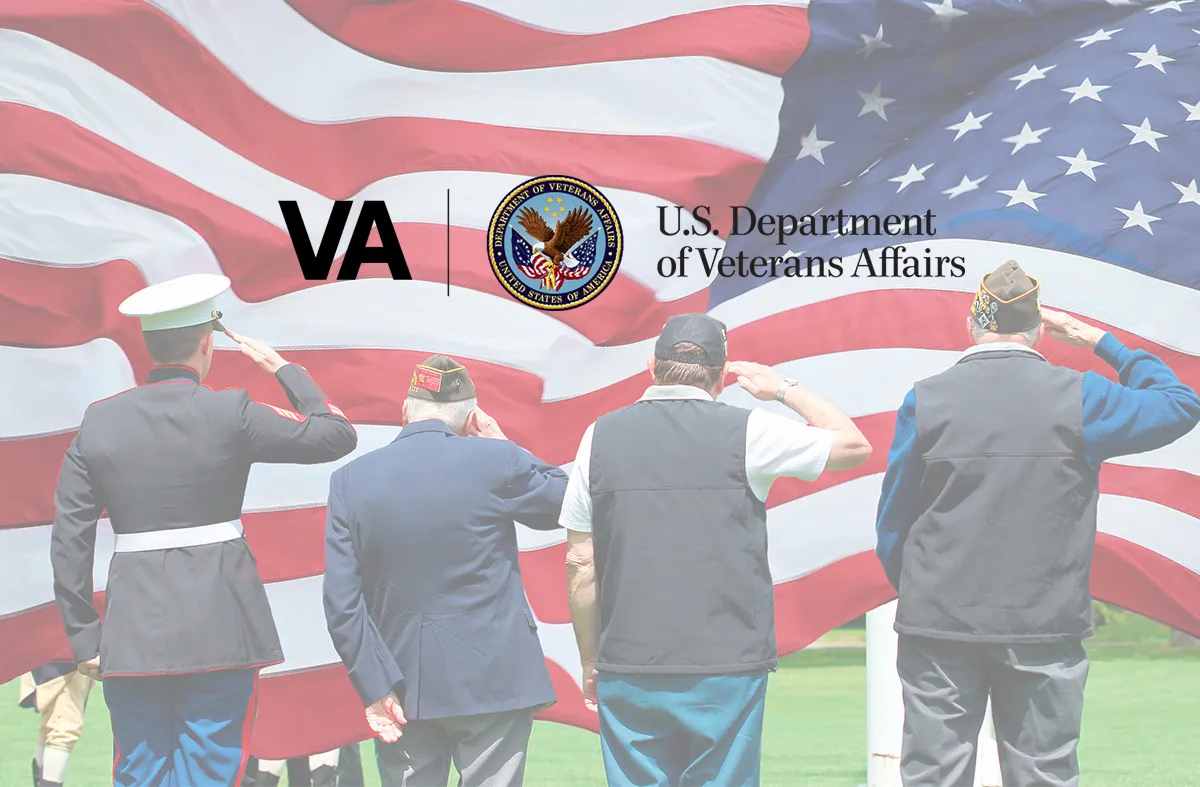
VA Alaska: 10,363 Veterans Connected to Critical Services

What changes when this works
Outreach aimed at people who qualify
Campaigns start with audience and eligibility research: who the program is for, where they live, and which channels they already use. Those answers set the geography and targeting for everything after, so the budget reaches eligible people instead of the general public.
Messages carried by voices people trust
RC Strategies puts the message in the hands of local voices, community partners, and reporters the audience already follows, with paid media in support. People who discount a message from a federal agency often act on the same information from someone they know.
More eligible people applying
RC Strategies builds every campaign path to end at the application and any help the program offers. In a randomized trial of 30,000 likely-eligible older adults, published in the Quarterly Journal of Economics, SNAP enrollment reached 6% with no outreach, 11% with information alone, and 18% when help applying was added.
Enrollment results you can report
Before launch, RC Strategies and the program agree on the eligible population and on the enrollment rate that counts as success. Reporting then tracks applicants and enrollments against that baseline, year over year, so the program office can show what the campaign changed.
The services that power this outcome

Government Public Outreach & Engagement
Public outreach that reaches the people a program is for through the voices they trust, measured in applicants.
Federal Strategic Communications & Research
Audience research and message testing that give program leaders confidence before budget is committed.

Federal Advertising & Media Buying
Federal advertising accountable to applicants, enrollments, or registrations, reported so a COR can verify it.
Trusted Marketing & AI MarTech Experts for Critical Missions
We deliver trusted, federally proven high performance marketing, strategic communications, and AI marketing technology with measurable ROI for the federal government and the Department of Defense/Department of War.Our systems give clarity and confidence to program leaders and senior leadership who need to see ROI and mission outcomes, not just activity.

What clients ask before we start
How does a marketing firm increase enrollment in a federal program?
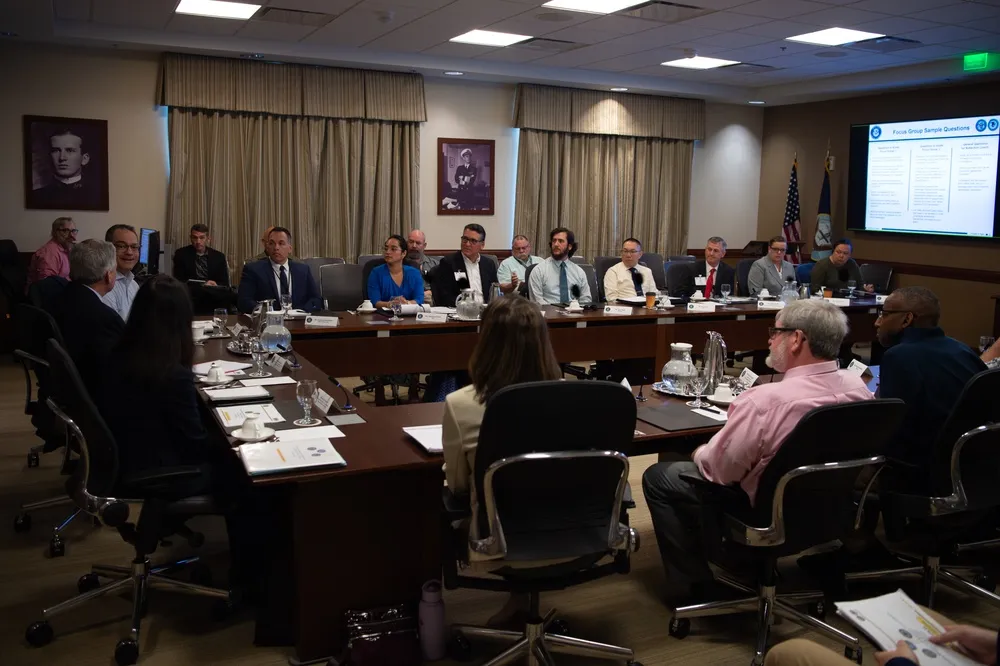
A marketing firm increases enrollment by building the campaign around the application instead of around reach. That means defining who qualifies, reaching them through voices and channels they already trust, and pointing every message at the next step. RC Strategies' public awareness campaign for the VA in Alaska was built and reported this way, in applicants for critical programs compared with the year before.
How do you measure whether a public awareness campaign worked?
Count applicants and enrollments, and read them against the eligible population the campaign set out to reach. RC Strategies reports reach and impressions too, as context for that count. Ask any federal agency marketing partner how it counts results.
Why don't letters and notices raise benefit enrollment on their own?
Because information on its own can fail to move people at all, even at large scale. Six preregistered field experiments covering about 1 million California households, published in AEJ: Economic Policy in 2022, varied the content, design, messenger, and channel of EITC outreach and found no evidence that any version changed filing or claiming. RC Strategies plans outreach so a program's letters don't work alone: earned coverage, community voices, and geo-targeted media carry the same message, and every piece points to the application.
What's the difference between an awareness campaign and an enrollment campaign?
An awareness campaign is finished when people have heard of the program; an enrollment campaign is finished when eligible people apply. The difference shows up first in planning. In the first quarter of fiscal 2025, about 9 million veterans were enrolled in VA health care, out of a projected veteran population of roughly 18 million. An enrollment campaign begins by working out who in that gap qualifies and where they live. RC Strategies answers that question with the program before any media is bought.
Can paid advertising change what people actually do?
Yes, and CDC's Tips From Former Smokers campaign shows it: from 2012 to 2018, the campaign drove more than 16.4 million quit attempts and about one million sustained quits, according to CDC. RC Strategies plans and buys geo-targeted paid media, video, and social for federal programs, placed against the geography of the eligible population.
How do you reach people who don't trust government messages?
Through the people and outlets they already trust, with paid media repeating what those messengers say. Trust in Washington is low: Pew found in 2025 that 17% of Americans trust the federal government to do what is right always or most of the time. RC Strategies starts outreach with the community organizations, local leaders, and reporters an eligible audience already listens to, and keeps the program's own voice in support. For the VA in Alaska, RC Strategies paired earned media with geo-targeted paid media, video, and social.
More outcomes worth a look
Turn program awareness into applications