
DoD Paid Media ROI Growth

DoD paid media faces questions impressions can't answer
Every recruiting and marketing dollar in a DoD program has to be defended, to command, to the contracting officer, and to oversight. The question is always the same: what did this money produce? Too often the answer on the table is impressions, clicks, and reach, reported by a vendor who was never asked to deliver anything else.
Program managers feel that gap in every budget cycle. Funding arrives in pieces through the year, national campaigns take months to approve and look dated by launch, and the leads that do come in can't be traced back to the ads that produced them. When the budget tightens, a program that can't show its cost per result is the easiest one to cut.
NAVSEA: 59% Above the Contracted Target

What changes when this works
More qualified results per dollar
RC Strategies tracks cost per qualified result by audience, placement, and creative while the campaign is live, and moves budget toward what beats the target during the flight.
Spend concentrated on likely prospects
Audiences come from first- and third-party data on who is likely to act, and media gets bought where those people spend their time. For the Georgia Army National Guard, RC Strategies manages the state's entire paid media budget, so one team answers for every dollar's result.
Qualified leads worth counting
RC Strategies scores each interested prospect's readiness, follows up with the undecided, and books ready prospects directly onto recruiter calendars. A lead in the report is someone a recruiter can work.
Reports oversight can check
RC Strategies reports spend, qualified results, and cost per result against plan at the program or state level, where the money is spent and where next year's budget is decided.
The services that power this outcome

National Guard Recruiting Advertising & Paid Media
Statewide recruiting advertising that RRB leadership can hold to a cost per qualified lead.

Military Recruiting Geofencing Advertising
Geofencing that puts the Guard in front of prospects where they gather and judges every fence by the leads it produces.
Military & DoD Recruiting Marketing
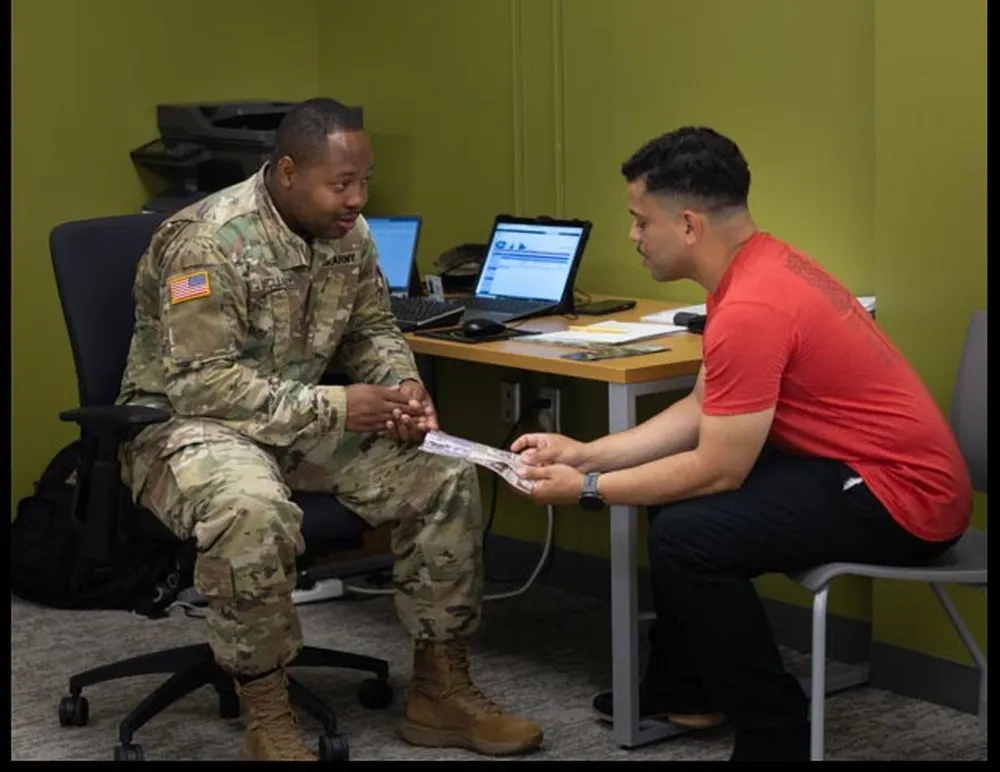
AI-enhanced recruiting marketing that gives recruiters prospects ready to talk.
Federal Advertising & Media Buying
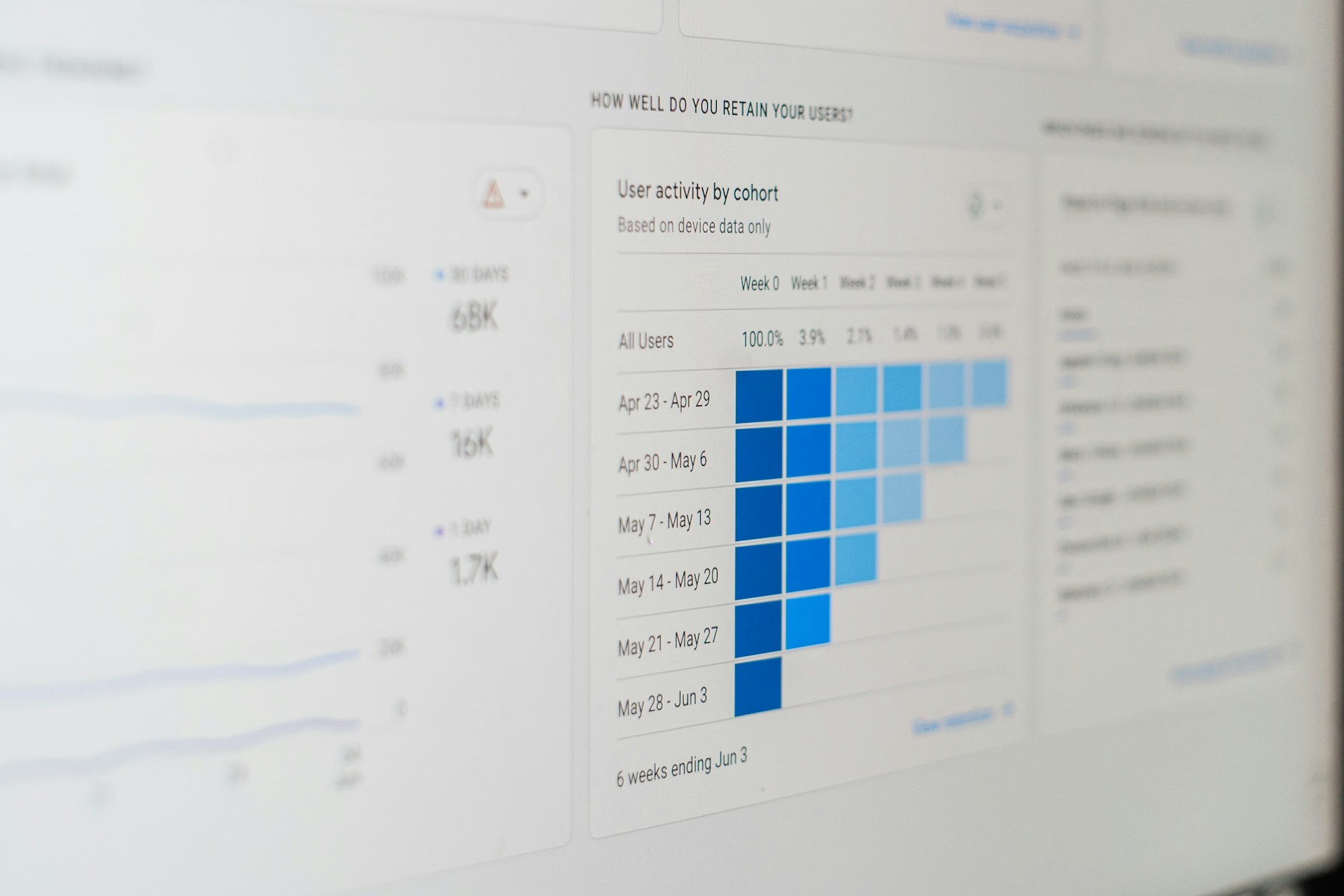
Federal advertising accountable to applicants, enrollments, or registrations, reported so a COR can verify it.
Trusted Marketing & AI MarTech Experts for Critical Missions
We deliver trusted, federally proven high performance marketing, strategic communications, and AI marketing technology with measurable ROI for the federal government and the Department of Defense/Department of War.Our systems give clarity and confidence to program leaders and senior leadership who need to see ROI and mission outcomes, not just activity.

What clients ask before we start
What cost per lead should a military recruiting paid media program deliver?
A program should deliver the cost per qualified lead it agreed to before launch, measured against a lead definition strict enough to mean something. A form fill and a prospect ready to talk to a recruiter are different units, so RC Strategies sets the definition and the target with the program first and reports against both. Ask for the source behind any cost-per-lead benchmark a vendor quotes.
How do you tie recruiting ad spend to enlistments?
RC Strategies ties ad spend to enlistments by tracing each lead from the ad that produced it to a booked recruiter appointment, where an enlistment starts. GAO describes the Army's measure as "the number and percentage of marketing attributable leads and contracts." RC Strategies completes that trace by booking each ready prospect's appointment with the recruiter who covers their area. Every appointment can be traced back to the ad that started it.
Which channels work for recruiting STEM professionals versus young recruits?
LinkedIn reaches professional and STEM talent, and statewide paid media with geofencing reaches younger recruits. RC Strategies chose LinkedIn for NAVSEA's national recruiting campaign and geofencing for its Guard programs. DoD's FY2026 budget follows the same logic: the Navy's advertising increase funds a targeted digital campaign across pre-roll and display ads, digital audio, job boards, social media, search engines, and gaming communities such as esports.
How much does the military spend on recruiting advertising?
The military services spent about $1.9 billion on recruitment and advertising in FY2023, according to GAO, with the Army accounting for $909 million. DoD's FY2026 request for recruiting, advertising, and examining totals about $2.13 billion, a net decrease of about $37 million from FY2025 enacted. When the overall line shrinks, each program has to show more per dollar, and RC Strategies manages budgets to the cost of a qualified result.
What should a DoD program ask before hiring a paid media partner?
Ask which named programs the partner has run and what each one produced against its plan. Pooled or anonymous results are hard for a contracting officer to check. RC Strategies delivers two state ARNG RRB programs: the Georgia Army National Guard and the Arkansas Army National Guard. Its federal work includes NAVSEA's national recruiting campaign. RC Strategies' guide to choosing a DoD recruitment marketing partner lists other questions worth asking.
Does spending more on recruiting media produce more leads?
Yes, more spend usually buys more volume, but volume alone does not show whether the added money paid off. GAO reported that when the Navy tripled its media investment to $7–9 million a month, views rose 79% and generated leads rose 46%. RC Strategies reports cost per qualified result next to volume whenever budget changes, so a program can see what each added dollar bought.
More outcomes worth a look
Set a cost-per-result target before spend