
Military & National Guard Retention Growth
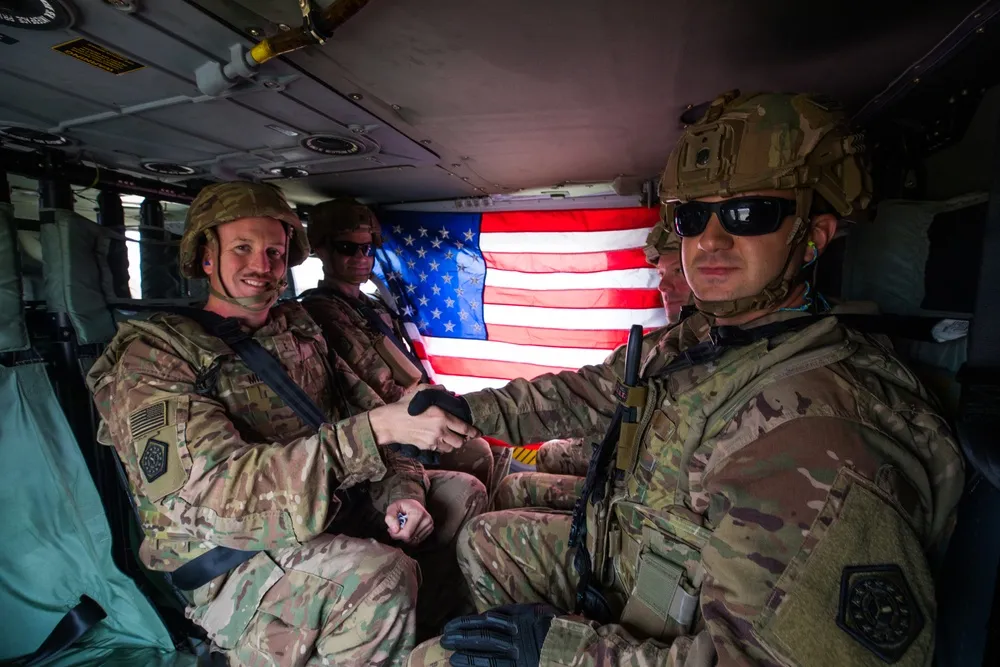
Soldiers decide to leave long before anyone asks
Every Soldier a Guard command loses took years and real money to recruit and train, and replacing them means going back into a hard recruiting market. The loss that hurts most is the one nobody saw coming: a first-term Soldier who quietly stopped showing up, or left for a civilian job, before a retention NCO ever sat down with them.
Retention work is organized around the end of a contract, when intent gets asked about and extensions get counseled. By then, Soldiers struggling with an employer, a family, a leader, or a promise that wasn't kept have often made up their minds. Commands count the losses after the fact, and retention NCOs don't have the hours to check in with every Soldier early.
Army National Guard Recruiting Marketing Case Study: +565% Lead Growth

What changes when this works
Early warning on who may leave
RC Strategies runs checkpoint surveys across the first term that ask Soldiers directly about their intent and concerns. The Guard's National Azimuth Check Survey already asks Soldiers with two to three years of total service about issues affecting future membership. RC Strategies adds surveys earlier in the term, so leaders hear about doubts sooner.
Retention messages built on Soldiers' reasons
Soldiers stay or leave for specific reasons, such as benefits, education, career path, and family. RC Strategies builds retention campaigns around the reasons Soldiers give, so a Soldier weighing a civilian job hears about the Guard career path and one worried about school hears about education benefits.
Loss counts that reflect real exits
A Soldier who transfers to another state's Guard has not left the institution. One who leaves for the Active Army or the Marines has. RC Strategies separates in-Guard transfers from true losses in the data it delivers, so a command sees where it is actually losing Soldiers.
Answers inside the tools leaders already use
RC Strategies delivers survey and engagement results into the command's existing tools and dashboards, including any Soldier-data platform the state runs. Leaders see survey results without another login or another dashboard to learn, and retention NCOs keep working in the systems they know.
The services that power this outcome

Military Retention Marketing & Surveys
Career checkpoint surveys and retention campaigns that show command which Soldiers need a conversation and why.
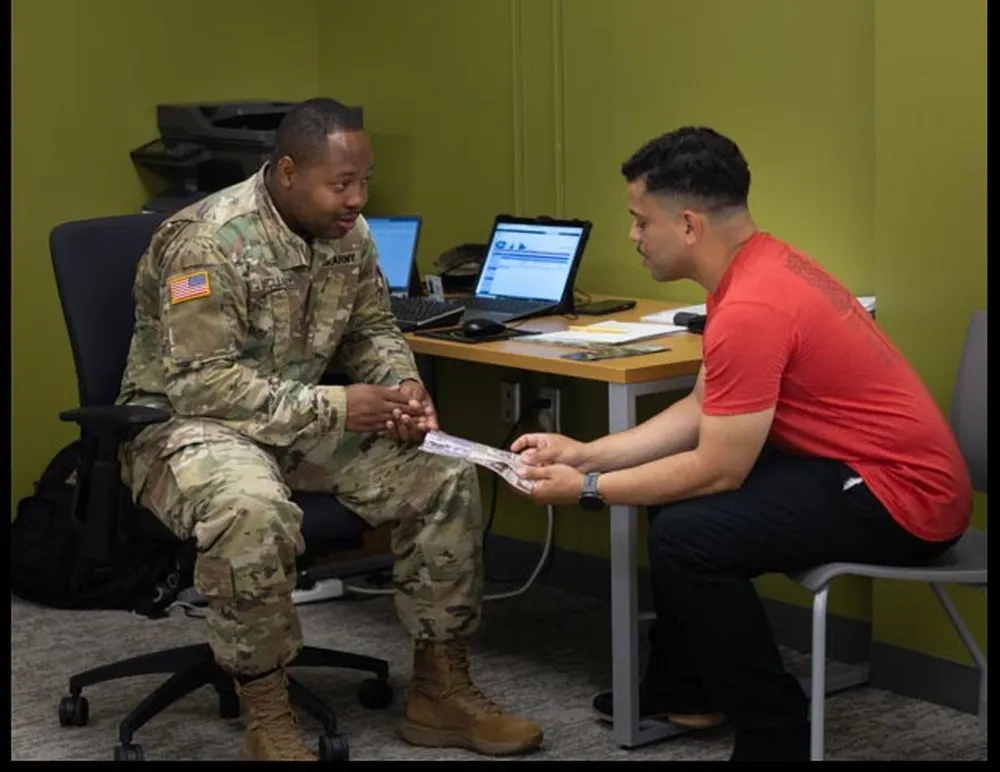
Military & DoD Recruiting Marketing
AI-enhanced recruiting marketing that gives recruiters prospects ready to talk.

Federal Strategic Communications & Research
Audience research and message testing that give program leaders confidence before budget is committed.
Trusted Marketing & AI MarTech Experts for Critical Missions
We deliver trusted, federally proven high performance marketing, strategic communications, and AI marketing technology with measurable ROI for the federal government and the Department of Defense/Department of War.Our systems give clarity and confidence to program leaders and senior leadership who need to see ROI and mission outcomes, not just activity.

What clients ask before we start
What does retention marketing look like for a National Guard command?
For a National Guard command, retention marketing is outreach to Soldiers already in the formation, timed to the points where they decide whether to stay. The National Guard Bureau's retention leader guide lays out a battle rhythm that starts at the Recruit Sustainment Program hand-off and sponsorship and runs through exit interviews. RC Strategies adds surveys and campaigns inside that rhythm, so a command hears from Soldiers between milestones as well as at them.
How do you find Soldiers at risk of leaving before they're gone?
Ask Soldiers directly, well before the ETS window, and follow up with the ones whose answers show doubt. The National Guard Bureau's retention leader guide tells leaders to "consider adding 1st Term attrition loss prevention measures as an area of emphasis." RC Strategies builds that emphasis into a command's retention marketing, watching for early-tenure warning signs and putting each at-risk Soldier's concerns in front of a leader who can answer them.
How do you survey Soldiers without adding work for retention NCOs?
Have a partner run the survey work so NCO time goes to conversations with Soldiers. RC Strategies writes and runs each checkpoint survey, handles reminders and follow-up, and turns the responses into a short read on who is wavering and why. Retention NCOs start from the answers instead of the paperwork.
Do reenlistment bonuses keep Soldiers in the National Guard?
Reenlistment bonuses mostly lengthen commitments and do little to change the decision to stay, according to a large RAND field test. In the 1978 Selected Reserve Reenlistment Bonus Test, covering about 15,300 Army Reserve and Guard members, the bonus raised reenlistment only from 38.4% to 40.6%, while the average committed term rose from 1.3 to 4.4 years. RC Strategies treats a bonus as a tool for commitment length and aims retention messaging at the decision itself.
How do you measure whether Guard retention marketing is working?
Measure Guard retention marketing with the numbers the Guard already tracks. The National Guard Bureau's retention leader guide lists attrition rate, first-term loss rate, Soldier intent across the retention-eligible population, losses by reason, and total reenlistment success rate as standard retention metrics. RC Strategies judges its own retention work by those same measures, starting with first-term losses.
Can one partner support both recruiting and retention for a Guard command?
Yes. The Recruiting and Retention Battalion already pairs the two jobs, and RC Strategies' retention marketing runs alongside its recruiting work. RC Strategies delivers two state ARNG RRB programs: the Georgia Army National Guard and the Arkansas Army National Guard.
More outcomes worth a look
Know who is likely to leave, and why